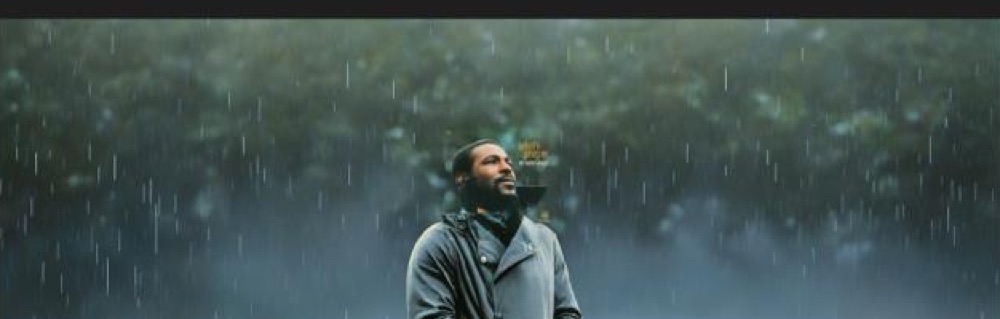
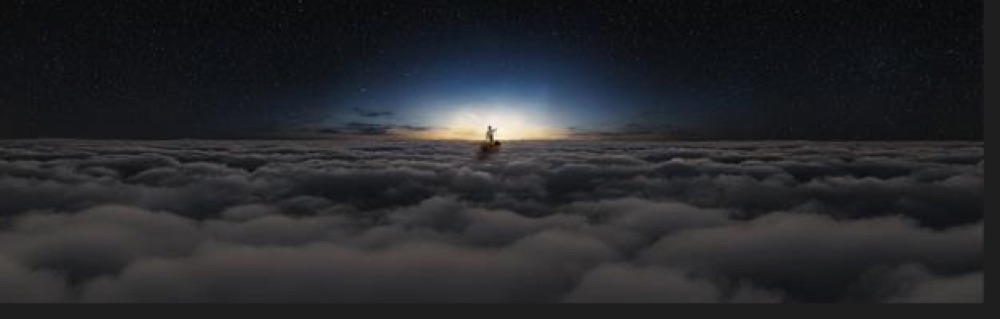
Cover → Cabin
One square jacket, kept whole at the centre — painted outward to a metre of glass, and gated for the road.
The finished cabin screen is three layers — the generated outpaint, the untouched album jacket at its origin, and the real MBUX interface on top. Hover to pull them apart.


 MBUX · interface
The graph, end to end
One ComfyUI graph that saves every stage into the archive it produces.
The whole pipeline is a single graph terminating in a SaveLayeredTIFFXMP node — the jacket, the smudge, the upscale, the outpaint, the composite, all written into one file alongside the graph itself, so any cover is regenerable from any step.
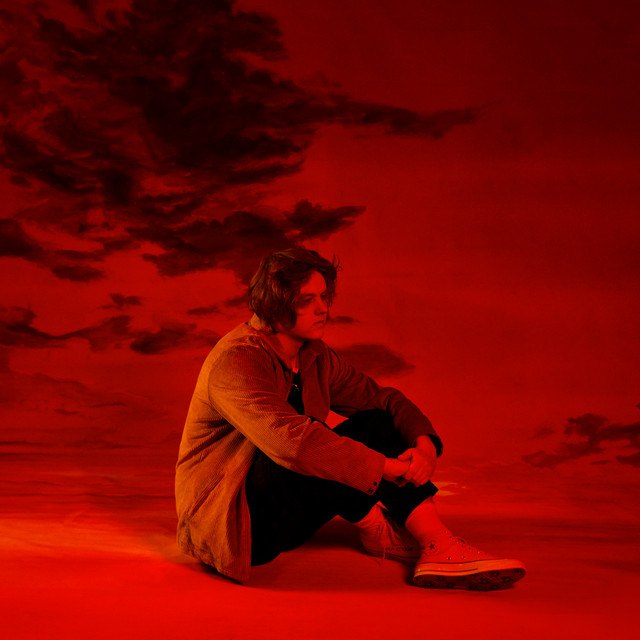
Clean-up — SAM3
SAM3 text-promptable segmentation lifts text, logos and wordmarks; a LaMa remover erases them. Now nothing anchors the paint to branding, and the legible copy a distraction heuristic would flag is already gone. (SAM3 replaced the older SAM + GroundingDINO pairing.)SAM3Segment · RMBG · big-lama remove

Latent smudge — big-lama
big-lama smears the jacket's structure across the fill region as a semi-repeating field; a masked blur drops the complexity. The diffusion gets a coherent thing to extend instead of blank latent — already sitting under the distraction line.INPAINT_InpaintWithModel · power-noise · masked blur

Outpaint — SDXL
RealVisXL fills the wings from that seed. IPAdapter carries the cover's own palette outward so the extension reads as of the cover, not bolted onto it; a tile ControlNet caps how much detail it's allowed to invent.SDXL inpaint · IPAdapter · ControlNet-tile

Composite + archive
The sharp 1:1 jacket drops back over the generated wings — centre untouched — and seven named layers plus the graph write to one XMP TIFF. Ship the compact WebP; keep the fat, regenerable TIFF.ImageCompositeMasked · SaveLayeredTIFFXMP
Why the smudge matters
Outpaint an ultra-wide frame straight from a square and the edges drift into invented nonsense. The fix is to never start from nothing: the smudge hands the model a coherent, on-palette field to refine instead of a void to invent. Scrub the three stages — the jacket we start from, the big-lama seed, the finished outpaint — and the seed's structure survives as the rhythm of the wings.


A million covers, costed
Listening is Zipfian — a steep head, a long tail — so a fixed corpus of the most-played covers buys most of the coverage cheaply.
The distribution is brutally concentrated: on Spotify roughly 87% of tracks never clear 1,000 plays in a year, and some 50M have no listeners at all — a tiny head carries almost every play. So a fixed corpus of the most-played covers is nearly all the real-world coverage, bought cheaply. The pipeline is fast per-cover and embarrassingly parallel, which makes a one-million-cover initial dataset a rounding error against the value: per-cover runtime is dominated by the SDXL ultra-wide outpaint (~20–45s), everything else ~7–13s combined → ~42s central, ×1.3 for distraction-gate re-gens ≈ ~55s / cover.
Calm by design
Beautiful is not the bar. Safe is.
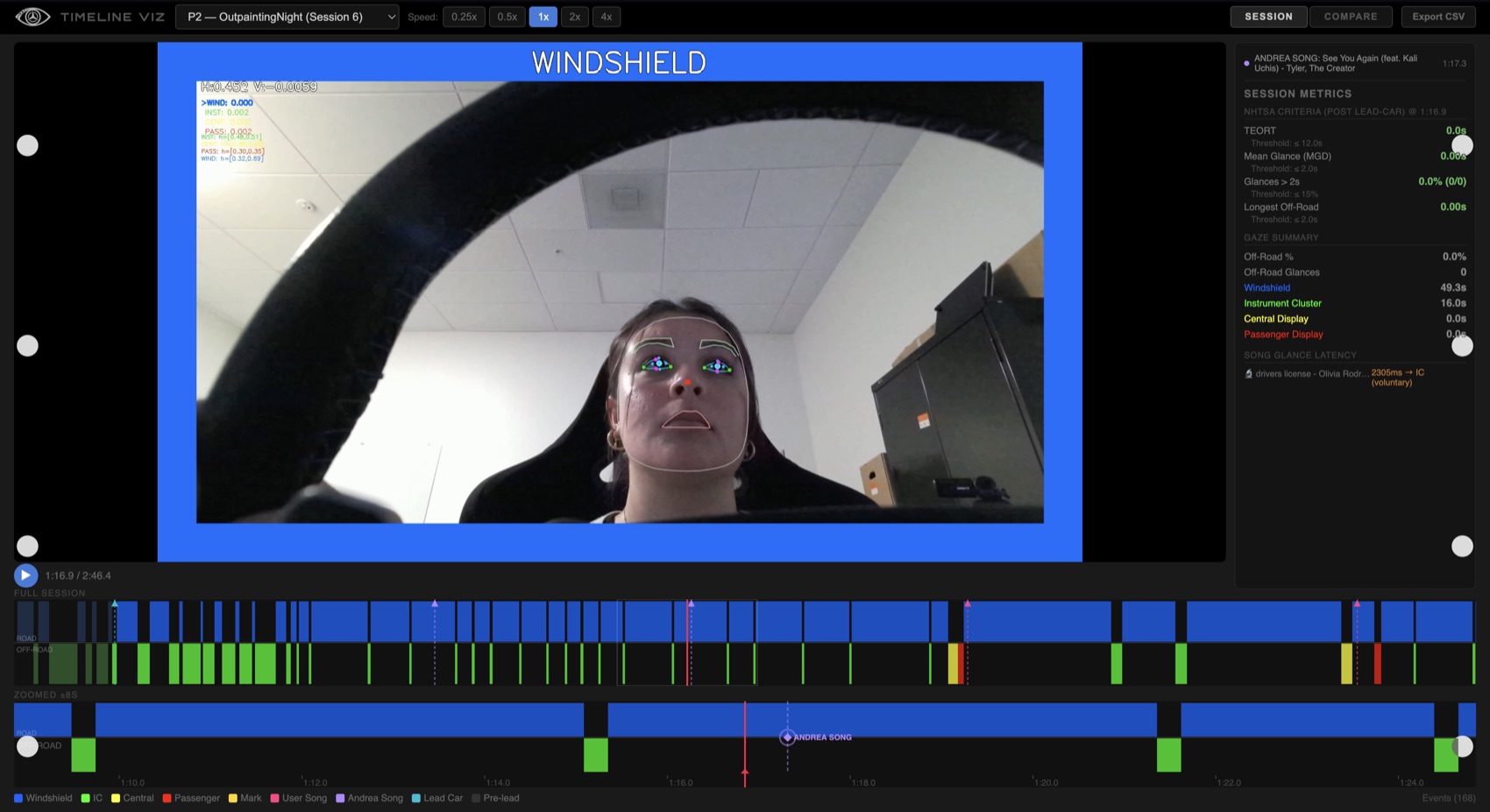
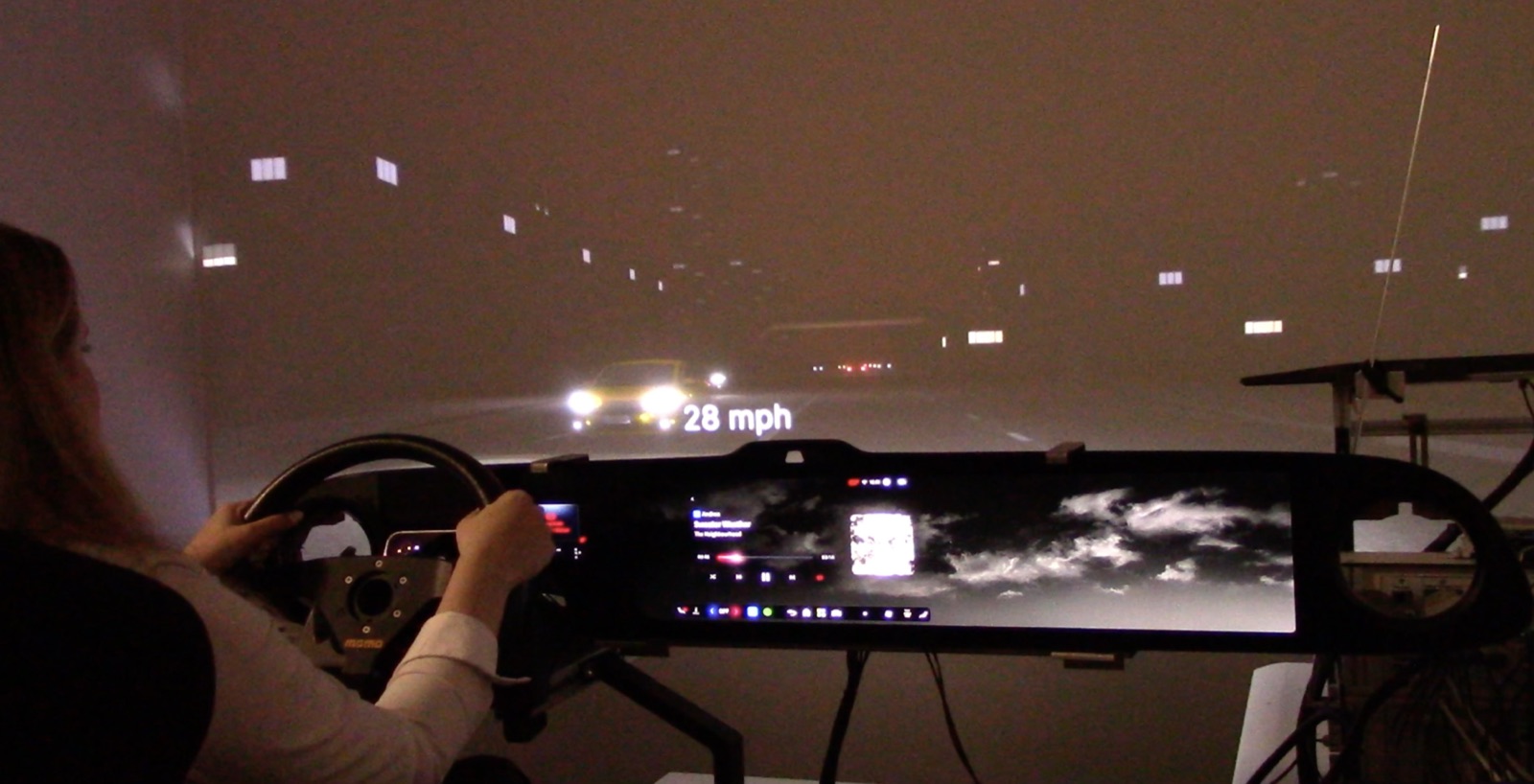
A generated scene that energises a parked cabin can pull a driver's eyes off the road. So the pipeline is gated: NSFW and semantic VLM passes for content, and a heuristic distraction verifier — distractive-area, entropy, illumination, edge-ratio — wired into the graph, cross-checked against a Unity + eye-tracking simulator, day and night, on NHTSA lines.
What a cover becomes
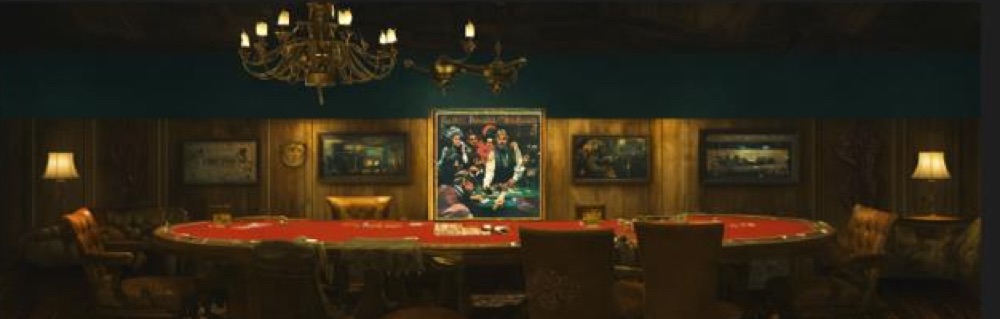
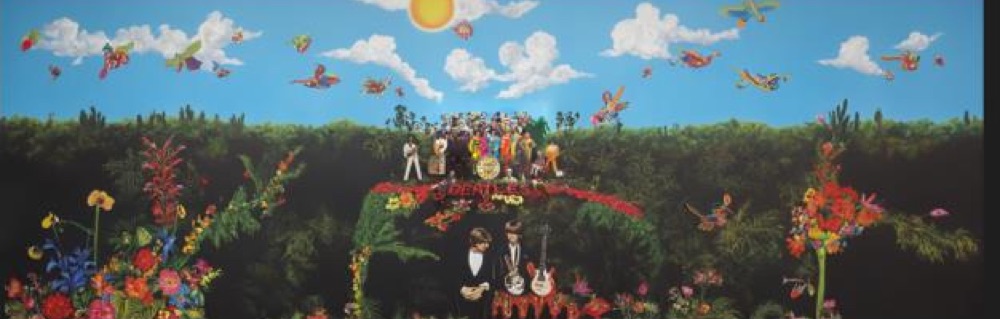
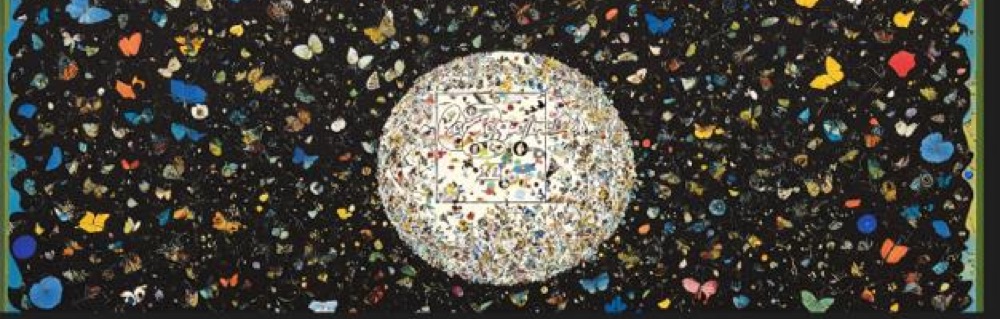
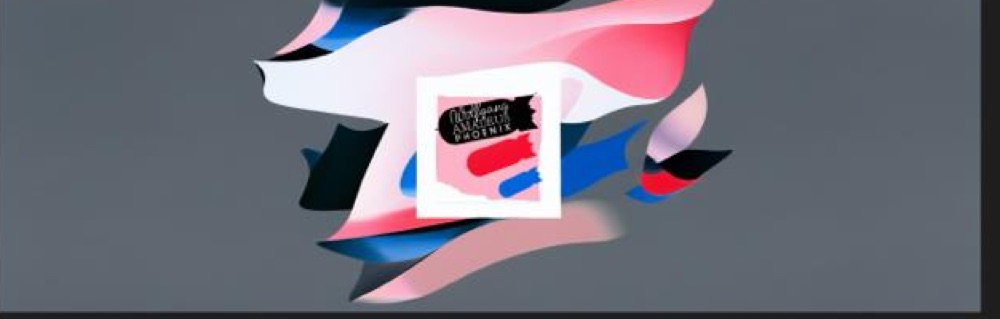
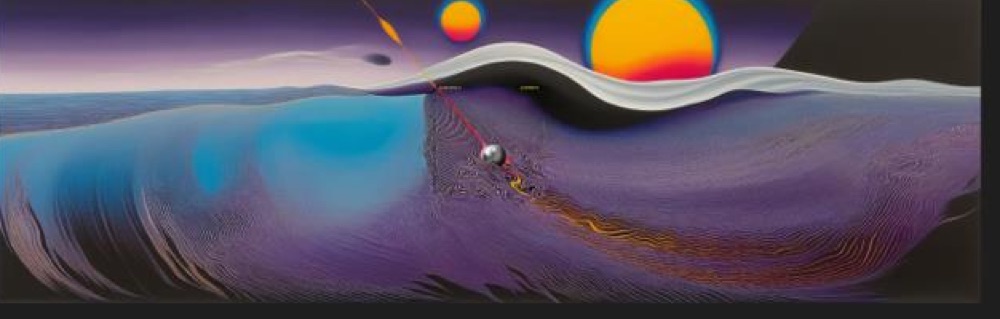
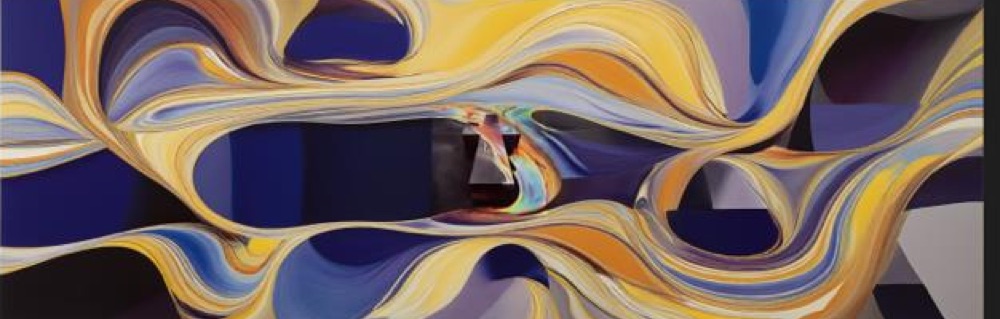
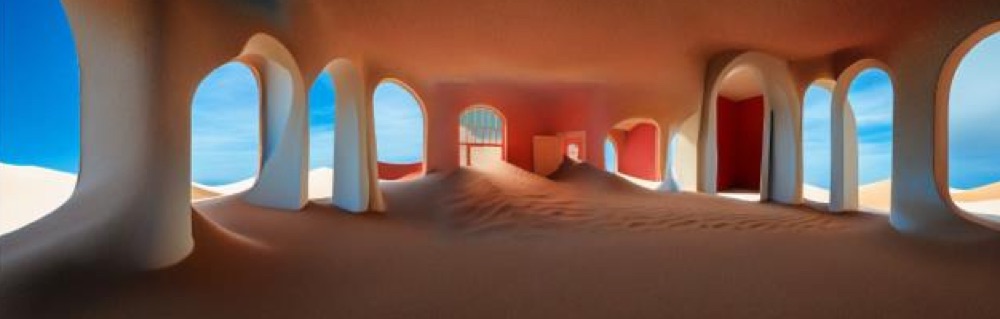
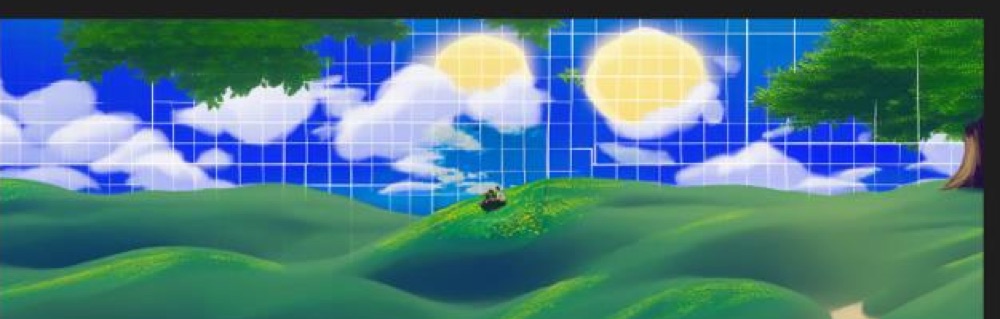
Each scene starts from one jacket at centre and is generated to the full pillar-to-pillar aspect. The original is never cropped — only extended.