SMARTSPACEBUCKET
Distributable hydroponic urban agriculture. ESP-class microcontrollers, MQTT, 3D-printed retrofits.
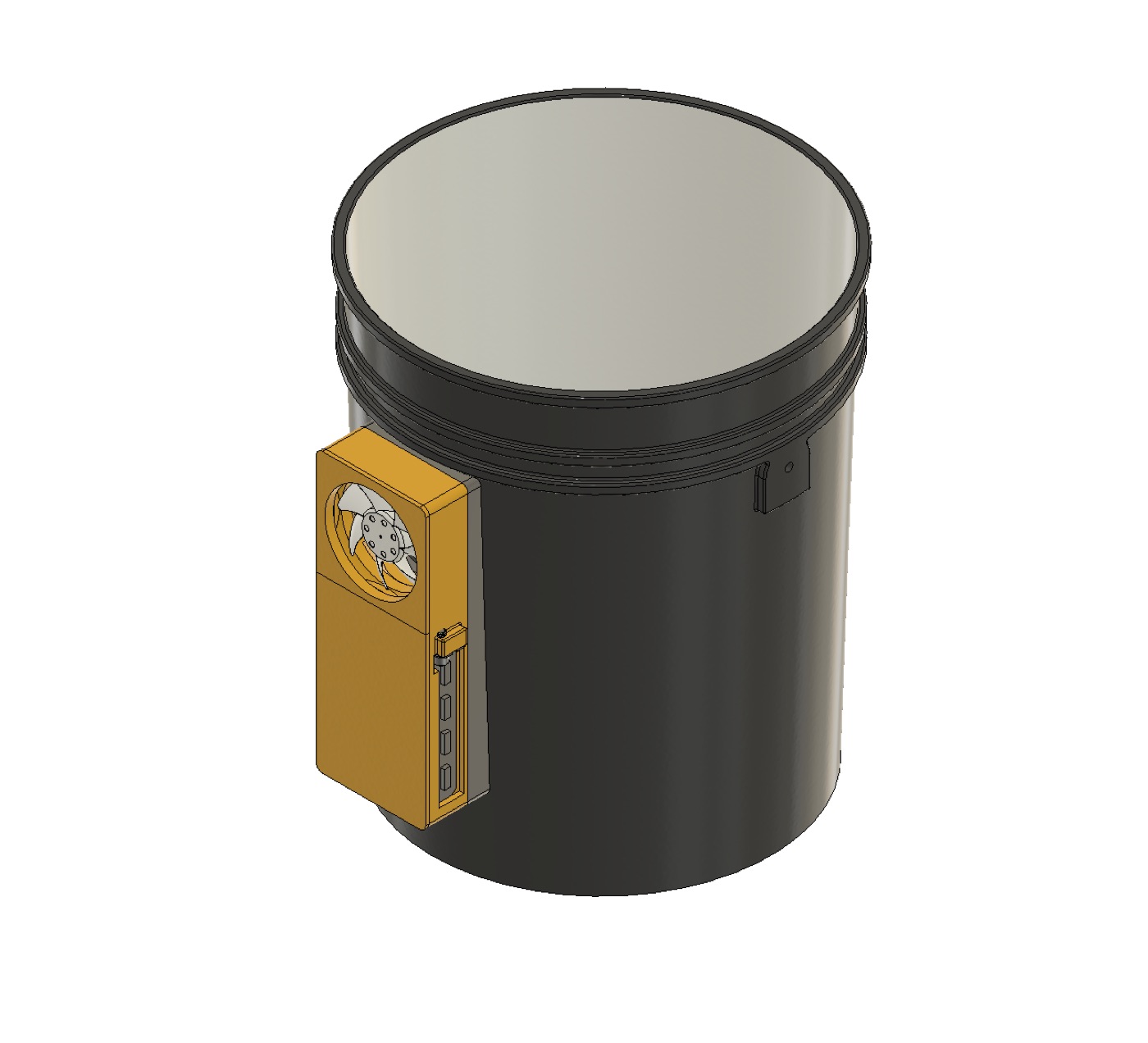
Conner Ward created SmartSpaceBucket, a distributable hydroponic urban-agriculture system in which every grow node is a small ESP-class microcontroller exposing MQTT topics for sensors, pumps, fans, and lights, built from off-the-shelf parts and 3D-printed retrofits.
An indoor agriculture stack designed to be cheap, distributable, and built from off-the-shelf parts plus a few 3D prints. The goal: every node in a grow network is a small ESP-class board exposing MQTT topics for sensors, pumps, fans, and lights — drop one in, it joins the mesh; a dockerized server times the whole thing.
Stack
- ESP32 / ESP8266 / ESP01
- Three classes of node — the ESP01 is small enough to live inside an inline valve; ESP32 handles the grow computer with sensors, fans, pumps.
- MQTT
- Pub/sub bus between every node. Scheduling, sensor telemetry, and pump dispatch all ride the same broker.
- Arduino C++
- Firmware for each node class. Common HAL across boards, board-specific pin maps.
- Embedded web UI
- Each node ships a tiny config page over WiFi for first-pair, calibration, manual override.
- 3D-printed retrofits
- The first iteration is a print that attaches to a stock kitchen sprouter — the sprouter parts stay dishwasher-safe; the 3D print never touches food. Auto-drains via 1/4" OD tubing.
- Peristaltic pumps
- Accurate nutrient dosing without contaminating the pump head. Driven by the doser node.
- Fusion 360 CAD
- All mechanical parts modeled parametrically — bucket adapters, grow computer enclosure, doser body.
- Docker (planned server)
- Iteration 3 is a dockerized scheduler that drives the whole network from a single image.
Process
Three iterations, each one solving the problem the last one revealed.
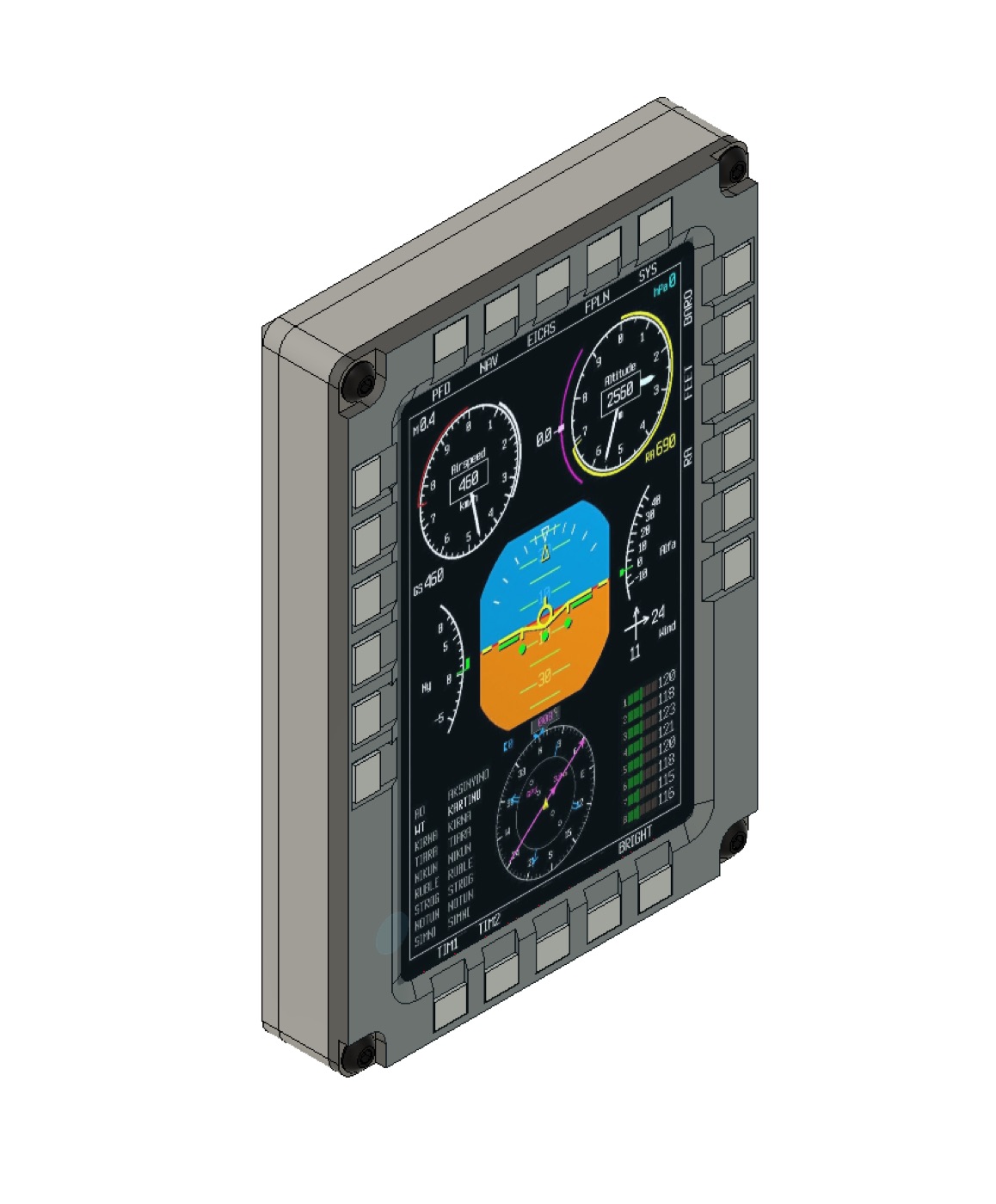
Iteration 1 — Sprouter retrofit (complete). Start with the cheapest microgreen sprouter on Amazon. It requires 2–3 waterings a day and you have to dump leftover water from the bottom tray. The retrofit prints an attachment for the top reservoir and a drop-in replacement for the bottom tray, both with 1/4" OD tube fittings. Pair with a valve node or a pump-plus-reservoir node and the whole thing waters itself. The print never contacts the sprouts — the sprouter's own (dishwasher-safe) parts do.
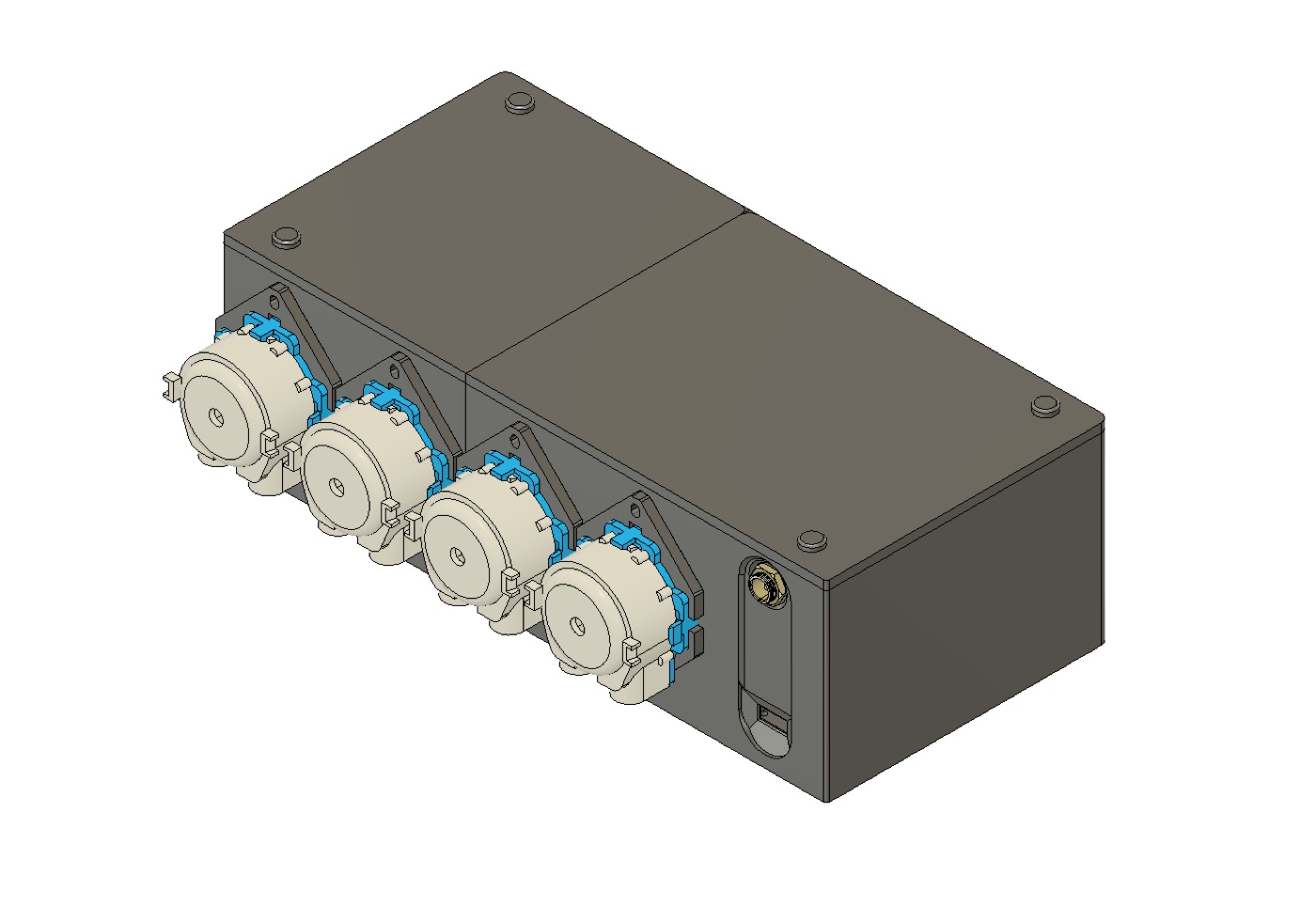
Iteration 2 — Grow computer (in progress). A fully contained node: ESP32 (or ESP8266) with soil-moisture and temperature probes, I²C out for pump dispatch, integrated fan control off an off-the-shelf PC fan, and a web interface. Sensor inputs are plug-and-play via a PCIe-style USB adapter so the same enclosure works whether you have one probe or four.
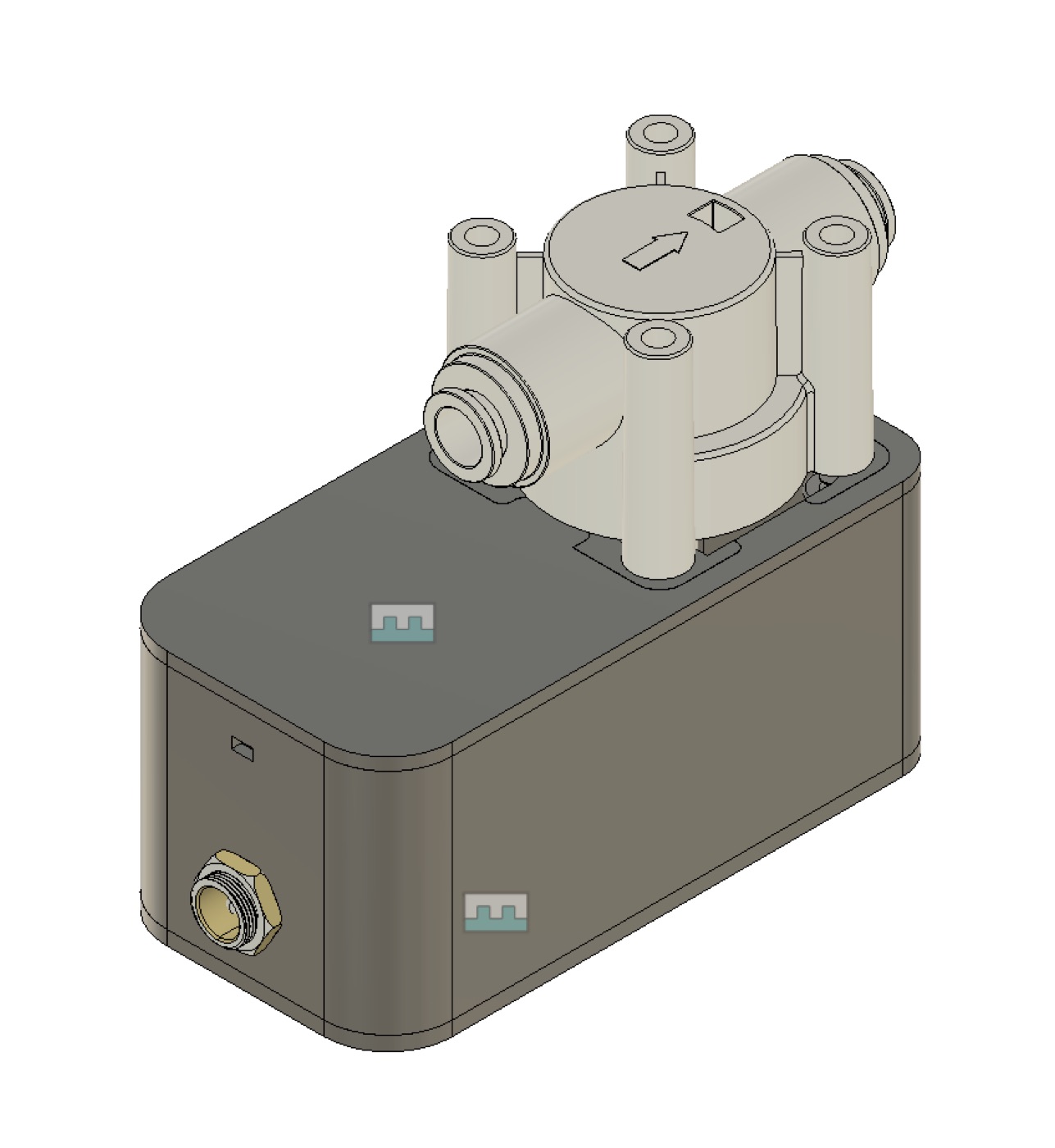
Iteration 3 — Integrated hydroponics (planning). A dockerized server publishes timed alerts on MQTT to a doser bot (precise nutrient dosing), a stir bot (agitating the nutrient solution so it doesn't stratify), and a pump/bucket controller (moving mixed solution from reservoir to plants). A single web interface across the whole network.
FAQ
What is SmartSpaceBucket?
SmartSpaceBucket is a distributable hydroponic urban-agriculture project by Conner Ward. Every node in a grow network is a small ESP-class board (ESP32, ESP8266, or ESP01) exposing MQTT topics for sensors, pumps, fans, and lights; drop a node in and it joins the mesh, while a dockerized server times the whole network.
How did Conner Ward build SmartSpaceBucket?
Conner Ward built SmartSpaceBucket from off-the-shelf parts plus a few 3D prints, with Arduino C++ firmware across the ESP board classes, an MQTT pub/sub bus for scheduling and telemetry, an embedded web UI on each node for pairing and calibration, peristaltic pumps for nutrient dosing, and mechanical parts modeled parametrically in Fusion 360.
What are the iterations of SmartSpaceBucket?
SmartSpaceBucket has three iterations. Iteration 1 (complete) is a 3D-printed retrofit for a stock kitchen sprouter that lets it water itself via 1/4" OD tubing without the print ever touching food. Iteration 2 (in progress) is a self-contained grow computer on an ESP32 with moisture/temperature probes, fan control, and a web interface. Iteration 3 (planning) is a dockerized server that drives doser, stir, and pump/bucket bots over MQTT.