Album
Outpainting
A build log. Generatively outpaint the album cover the listener already chose, fill the pillar-to-pillar displays with it, cache the result, serve it fleet-wide. What we built, what users said, and what's still open.
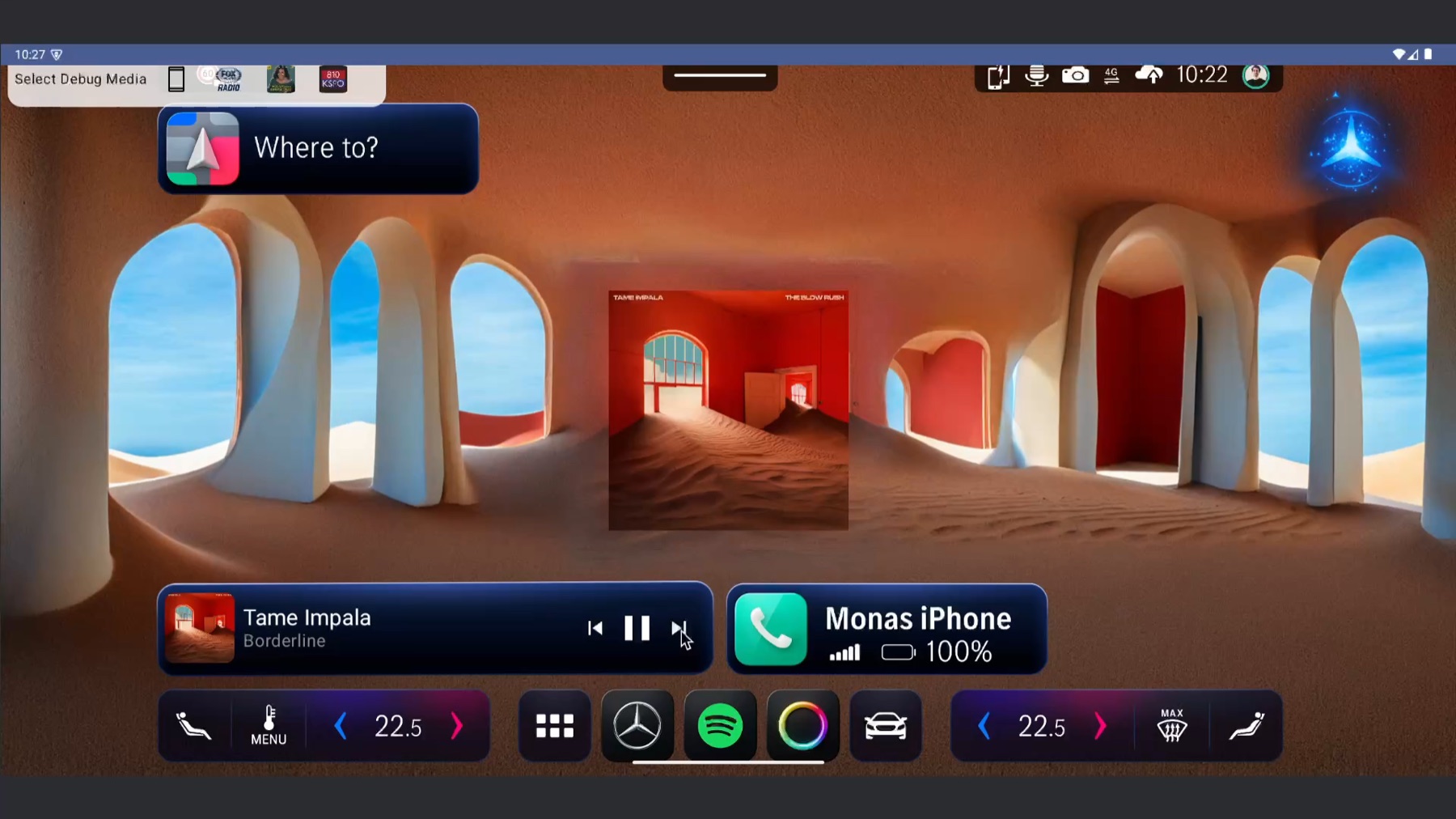
Conner Ward built a fleet-scale generative pipeline at Mercedes-Benz (MBRDNA Silicon Valley AI Labs, on the oneAI platform) that outpaints a song's album cover into a full pillar-to-pillar in-cabin background, cached and served fleet-wide, gated for driver distraction.
This build log documents that 2024–2025 internal prototype: a weekly batch indexes what the fleet is playing, an LLM writes prompts from each cover's metadata, a ComfyUI diffusion graph outpaints the square into the display's full aspect, and results are content-hashed and cached so the car never runs a model. A cabin-buck user study (n=10) ranked the album-art background first against a system background and a user-chosen image, and a computer-vision complexity pass ties richness to vehicle state. Conner's role was the generation pipeline, the functional prototype, and the distraction analysis.
The brief
The screen kept getting wider; the album cover stayed a square. Cluster, centre stack, passenger panel, the full pillar-to-pillar band — and the one thing we have to put on it during playback is a ~640px cover. Stretch it and it smears; letterbox it and most of the glass is dead. The brief was to fill the display from the cover itself, with no extra input from the driver. The cover is the prompt.
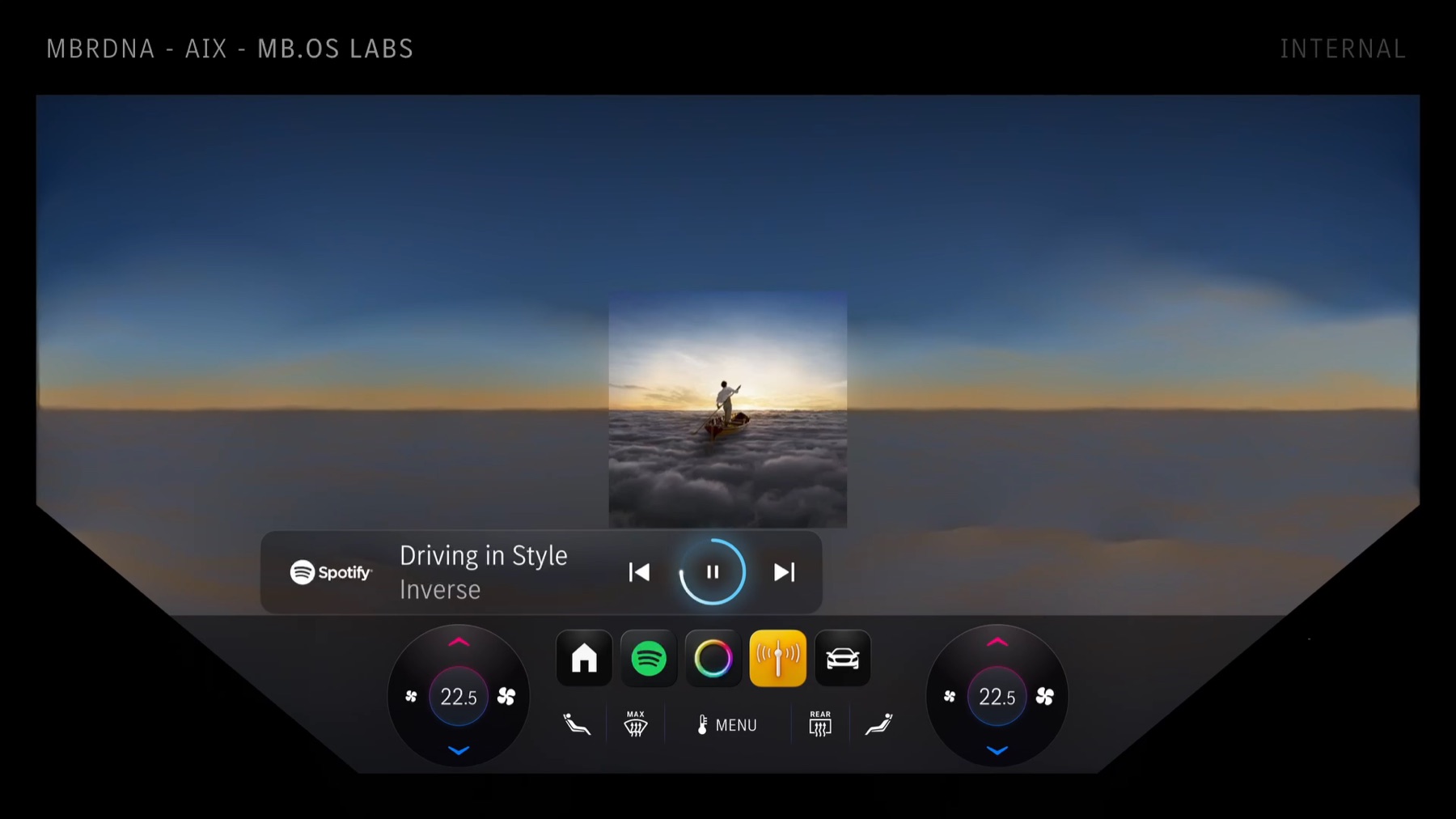
The pipeline
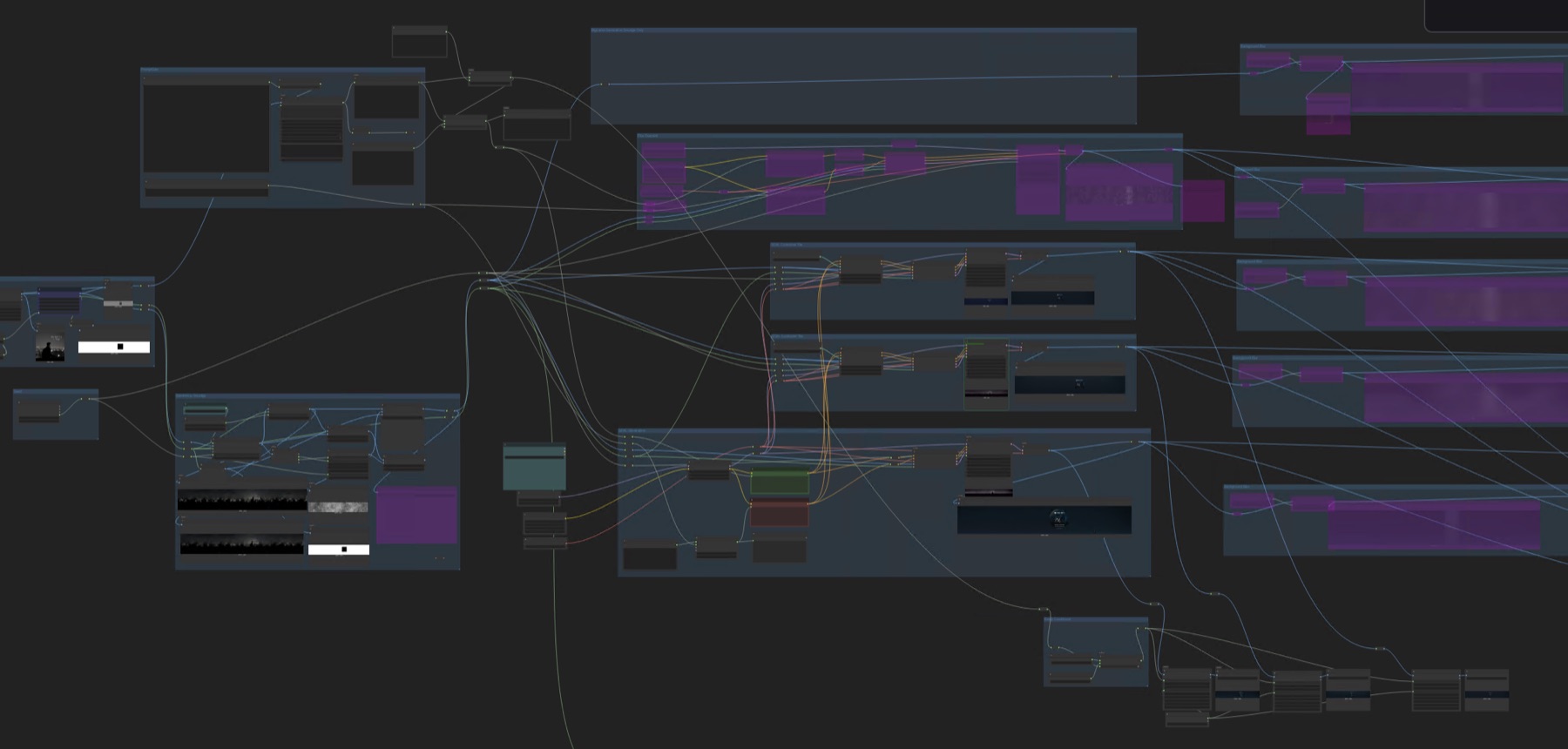
The car never runs a model. A weekly batch generates the backgrounds ahead of time; the car asks for a track and a cached frame comes back. A content hash over cover + prompt keeps the image on screen identical to what the model produced, and lets the same request short-circuit straight to the cache next time.
Spotify
Apple Music
What it generates
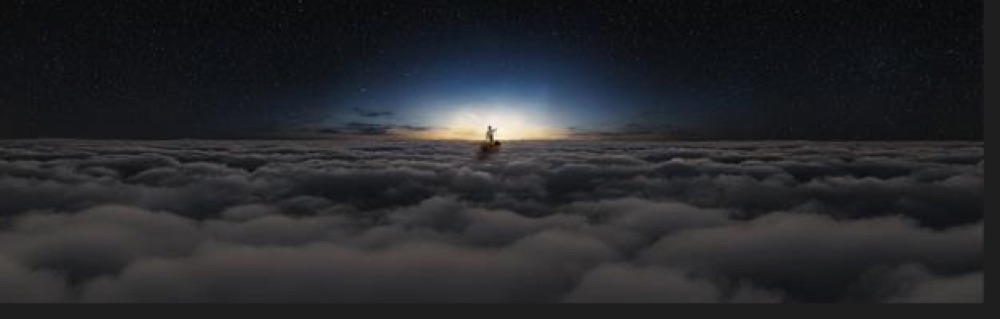
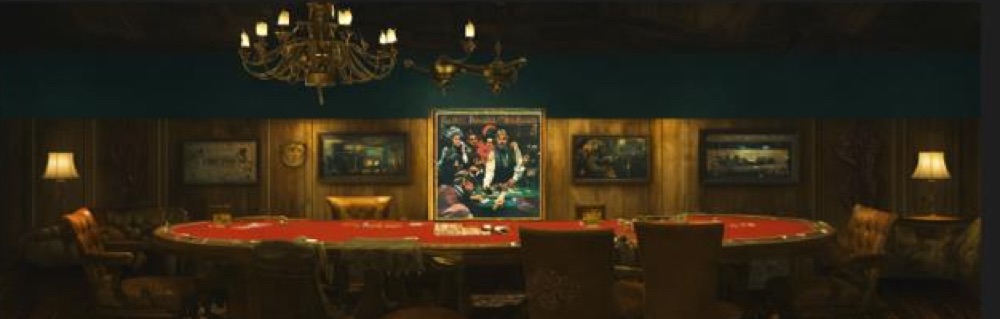
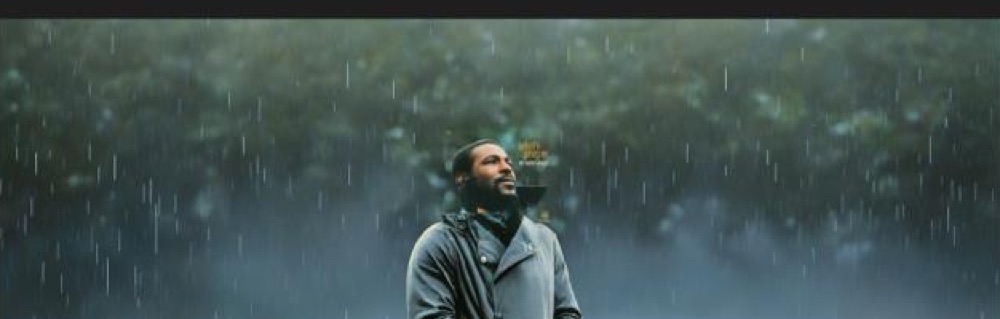
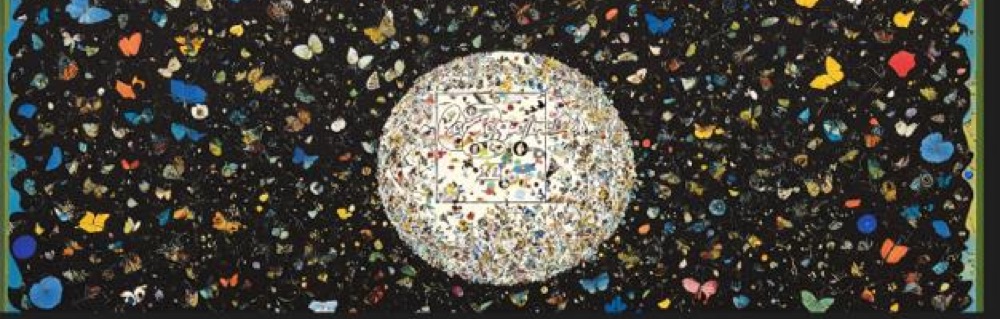
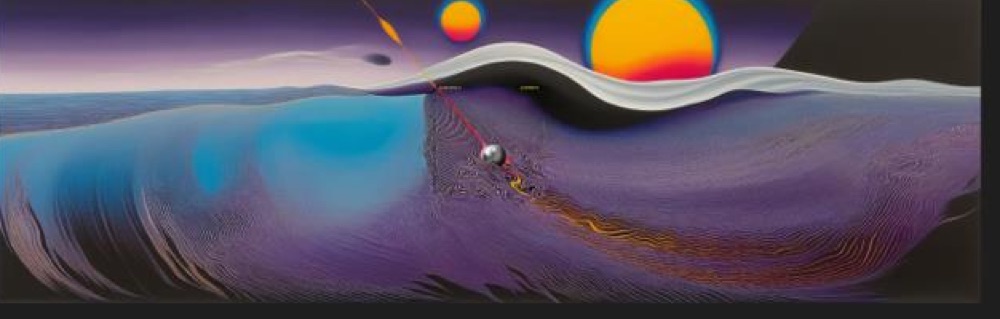
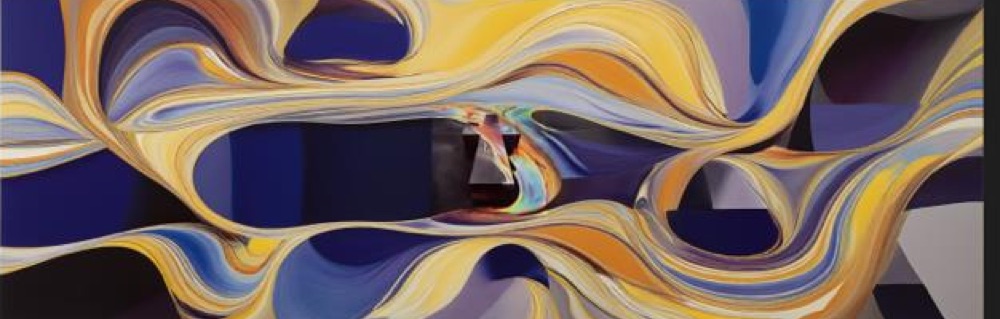
Each background starts from one cover at centre and is generated outward to the full pillar-to-pillar aspect; the original art is never cropped, only extended. A spread from the test set:



Does anyone want it?
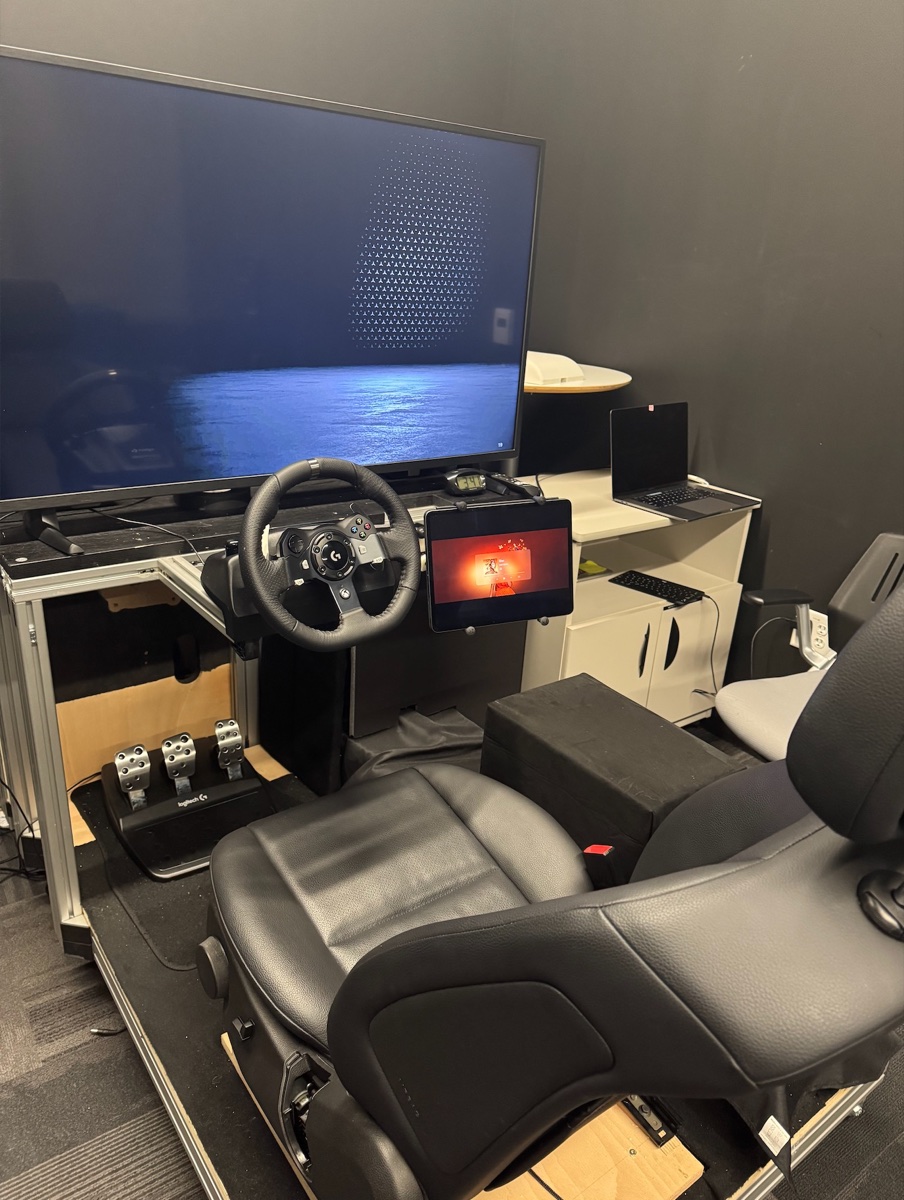
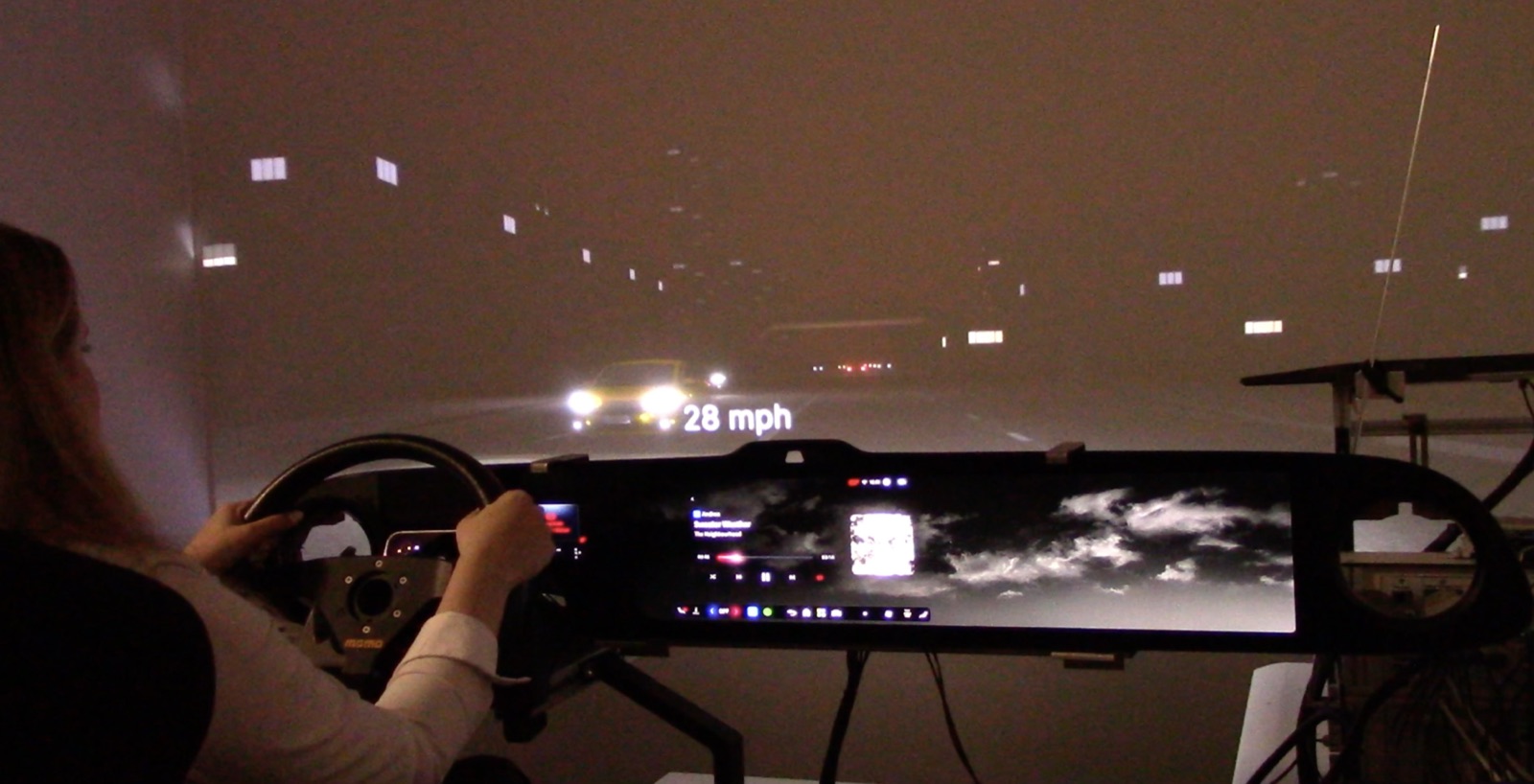
We tested the idea before building the pipeline. In a cabin buck — driver's seat, the generated background on the centre display, a prototype on the console — participants rated three ways to fill the screen: the stock system background, a user-chosen image, and the album-art outpaint.
Album art won, clearly. Asked to rank the three after trying the prototype, most ranked the album-art theme first (average rank 1.3, against 2.2 for a user-chosen image and 2.5 for the system background). The emotional read was the point — it's the listener's own music, made ambient, for free.
Preference ranking — “rank each concept you saw”
n = 10 · lower average = more preferred
Keeping it calm
A vivid scene is fine parked and a problem at speed. So complexity is gated by vehicle state, not fixed. A computer-vision pass scores each background on highlights × edge density (a static metric) and Δ-pixels per second (a temporal one); the same cover resolves to a quieter image while driving and a richer one while parked.
Open questions
- Distraction verificationHeuristics for static and over-time visual complexity are still being validated (with the SiFi team). How slow should transitions between backgrounds be, and what's the right complexity ceiling per driving state?
- Intellectual propertyOutpainting derives from rights-holders' cover art. Minimising legal risk through image-processing distance and prompt design — how far from the source is far enough.
- EU AI-content labelingGenerated graphics likely require labeling under EU guidance on AI-generated content; where and how that surfaces in the cabin is open.
- Backends & costStability vs Google diffusion; how much can be pre-generated weekly vs generated live, and how transition animations between latent stages cut both generation cost and driver distraction. Pipeline is “subject to change significantly.”
FAQ
What is the Album Outpainting project?
Album Outpainting is a Mercedes-Benz research prototype (MBRDNA Silicon Valley AI Labs, oneAI platform, 2024–2025) that generatively outpaints a song's album cover art outward to fill the car's pillar-to-pillar displays. A cached, fleet-scale pipeline generates the backgrounds ahead of time and serves them to the cabin on demand, with the imagery gated for driver distraction.
What was Conner Ward's role on Album Outpainting?
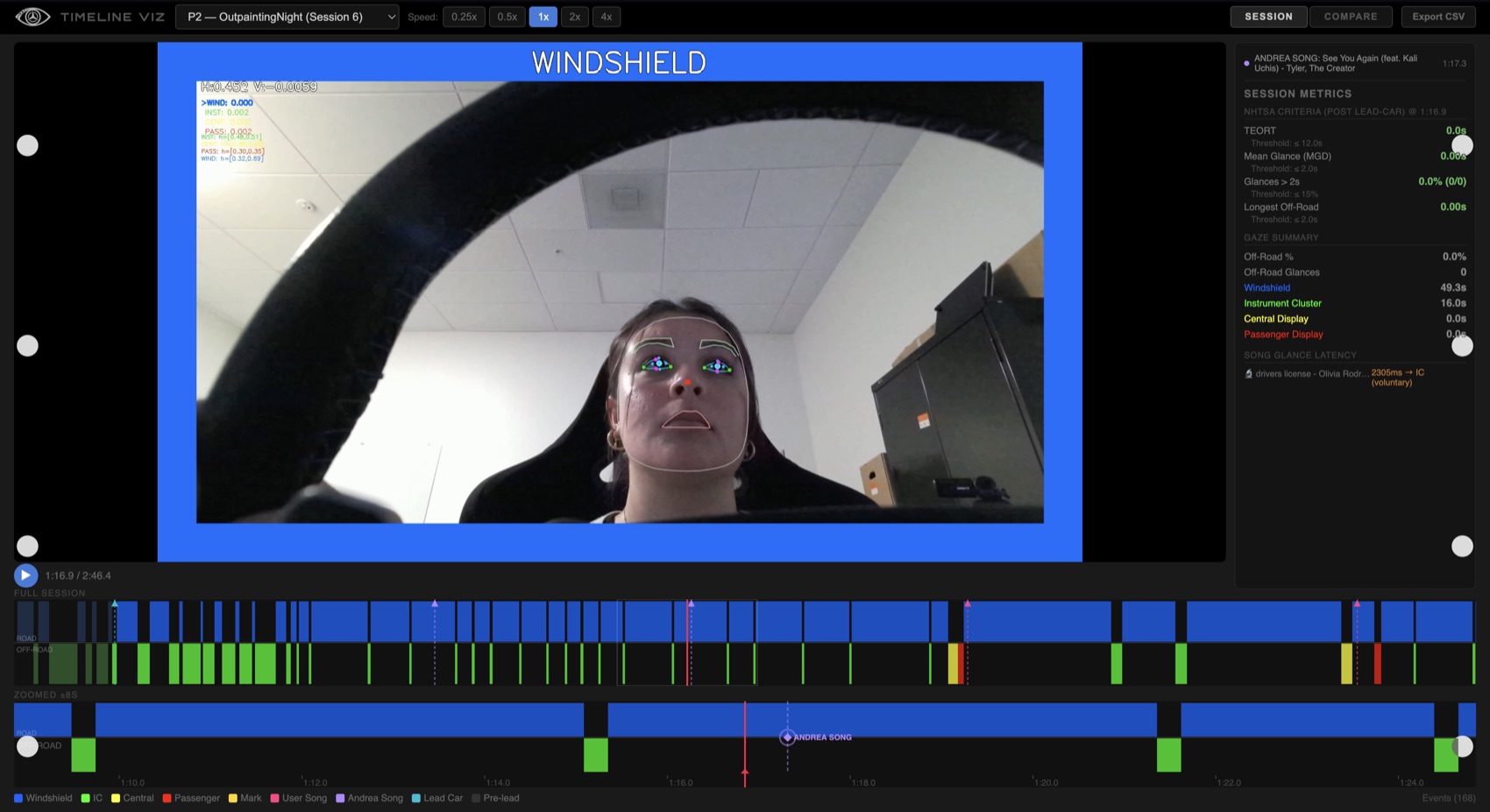
On the Mercedes-Benz Album Outpainting project, Conner Ward owned the generation pipeline, built the functional prototype on an Android head-unit front end, and ran the distraction analysis — including a cabin-buck user study (n=10) and a custom eye-tracking review tool, working alongside team members Martin Dureja, Fabian Bartelt, and Mehdi Mirabian.
What technology stack did Album Outpainting use?
The Mercedes-Benz Album Outpainting pipeline used a ComfyUI diffusion graph (Stability / Google backends) for the outpainting, an LLM to write prompts from album metadata, a content-hashed cloud cache so identical requests never regenerate, and an Android head-unit front end. A computer-vision pass scored each background on visual complexity to gate it by vehicle state.