Mercedes' pillar-to-pillar displays are vast. Album art is a tiny square. A generative pipeline paints the cover outward — into a full-cabin world — and ships it to the fleet, cached.
Conner Ward built a generative outpainting pipeline for Mercedes-Benz (MBRDNA Silicon Valley AI Labs, on the oneAI platform, 2024–2025) that paints a song's album cover outward to fill the car's pillar-to-pillar displays — cached at fleet scale and gated for driver distraction.
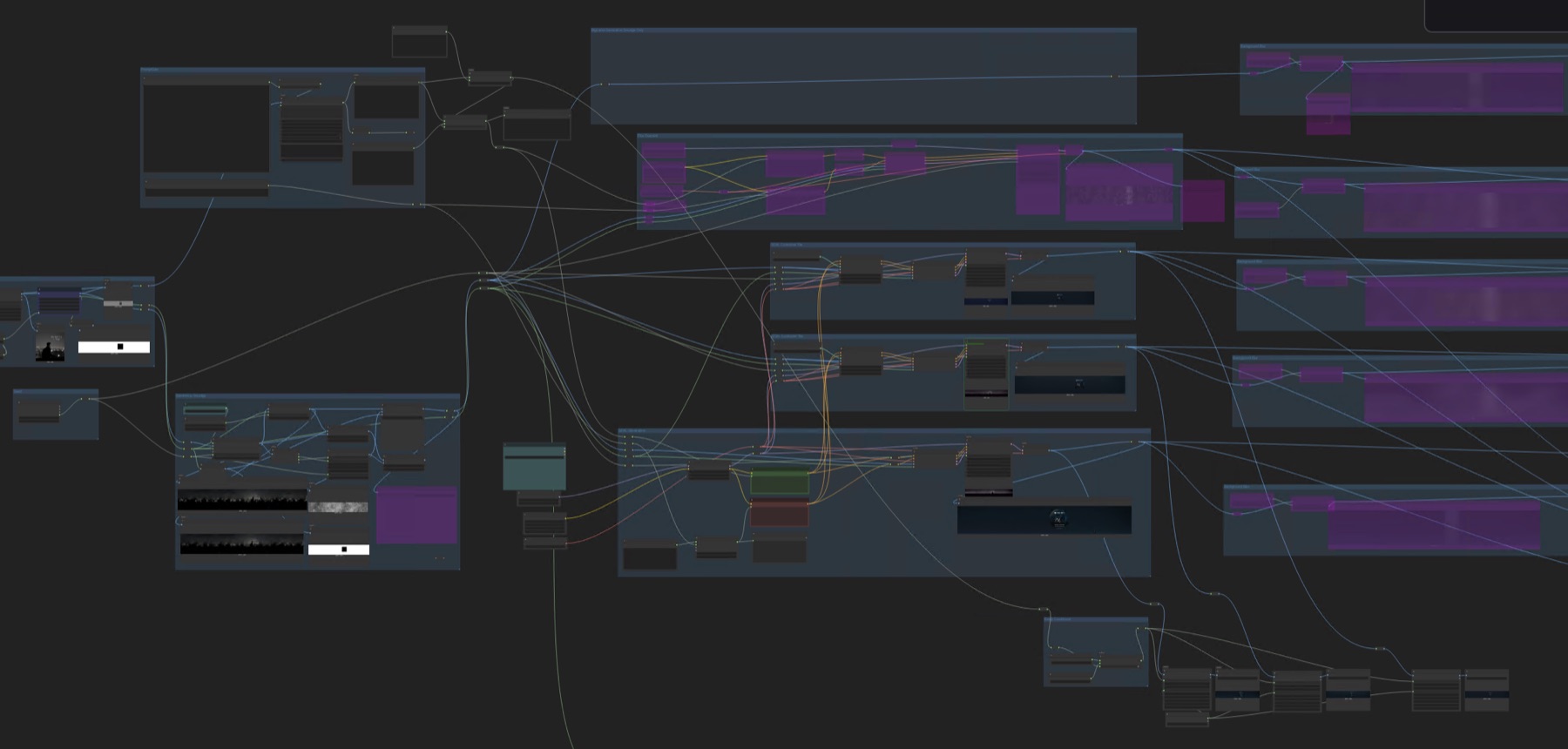
The problem: in-cabin screens keep getting wider while album art stays a small square, leaving most of the glass empty. The pipeline indexes what the fleet is playing weekly, has an LLM write a prompt from each cover's metadata, outpaints the square to the display's full aspect in a ComfyUI diffusion graph, and content-hashes and caches the result so the car never runs a model. A cabin-buck study (n=10) ranked the album-art background first against a system background and a user-chosen image, and a computer-vision complexity pass ties image richness to vehicle state. Conner's role was the generation pipeline, the functional prototype, and the distraction analysis.

The screen got bigger every model year. The album cover stayed a square. So most of the glass shows nothing at all.
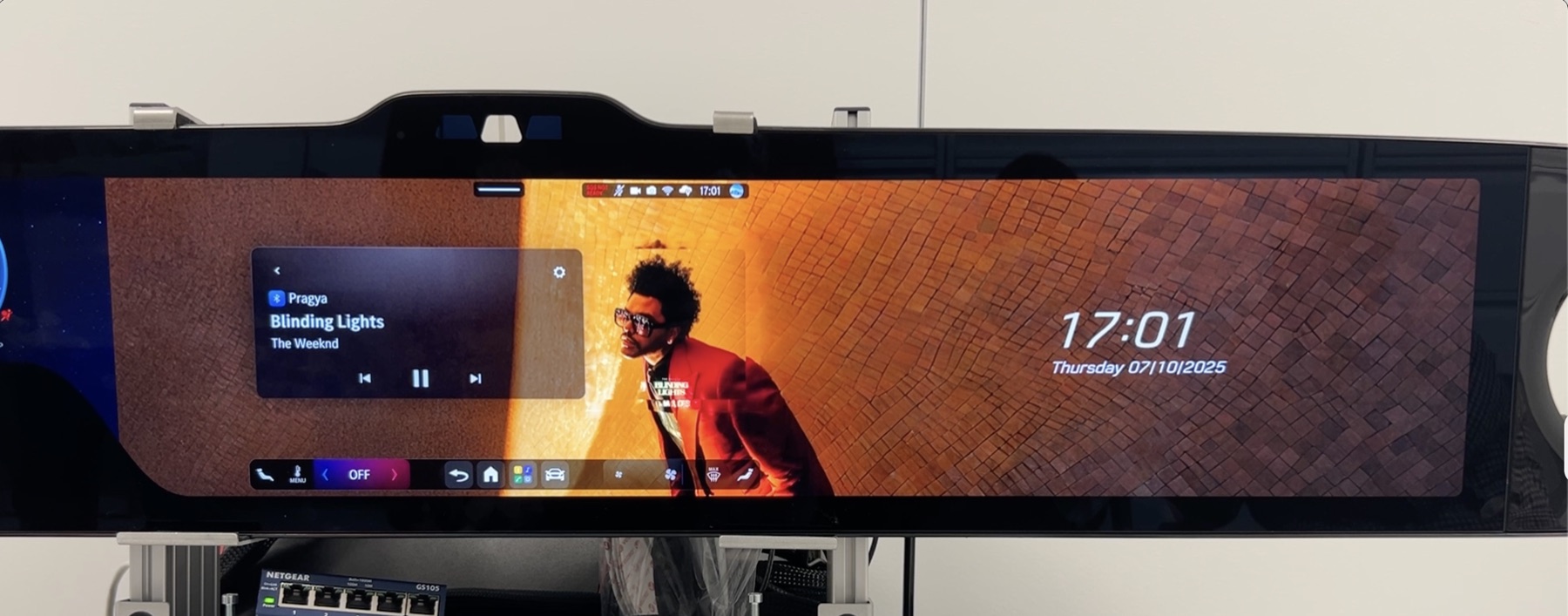
Take the cover the listener already chose and let a generative model paint past its edges — extending the artwork into a scene that fills the cluster, the centre stack, the passenger screen. Personalisation with zero user input; the music is the prompt.
The car never generates anything. It asks for a track; a cached image comes back.
A weekly job indexes what the fleet is actually listening to, generates the backgrounds ahead of time on oneAI, and stores them in the cloud. A content hash guarantees the image on the head unit is byte-for-byte the one the model produced.
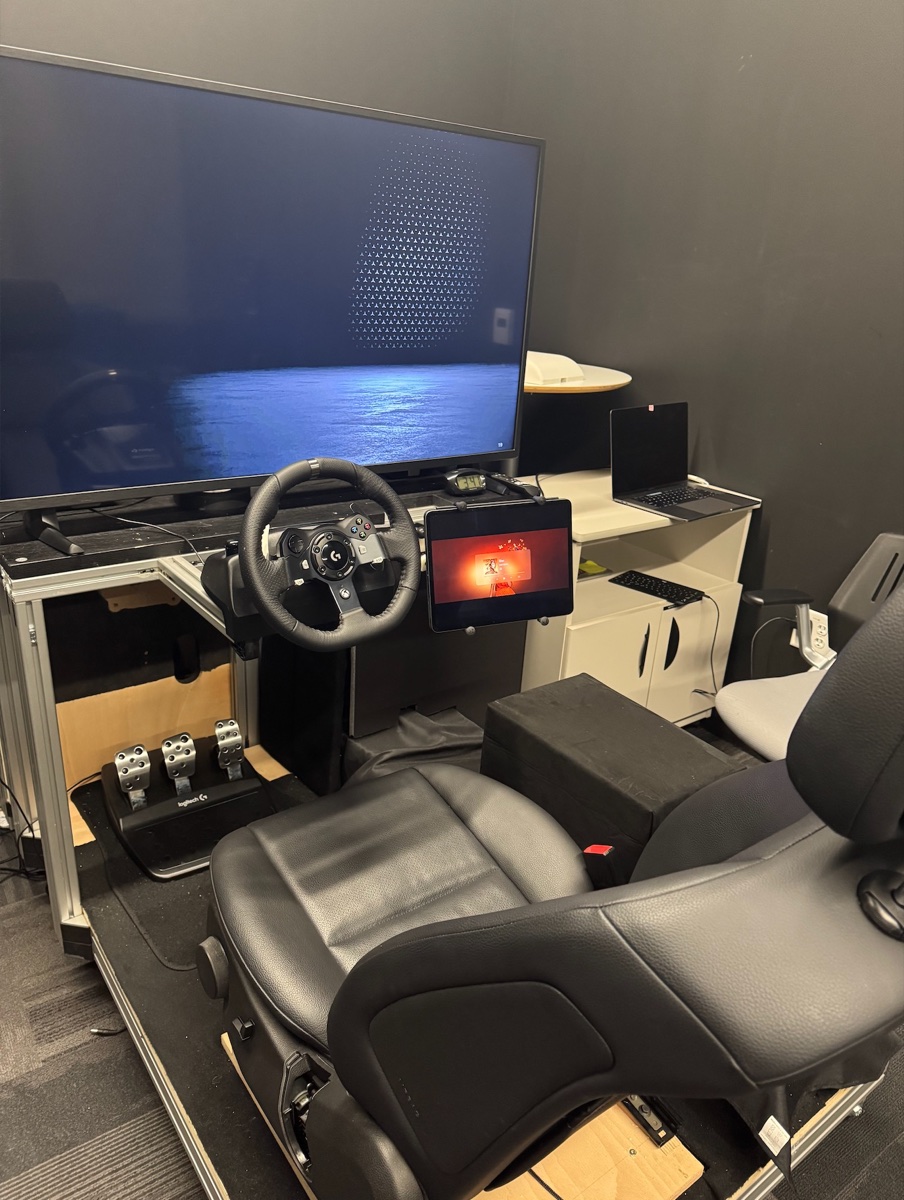
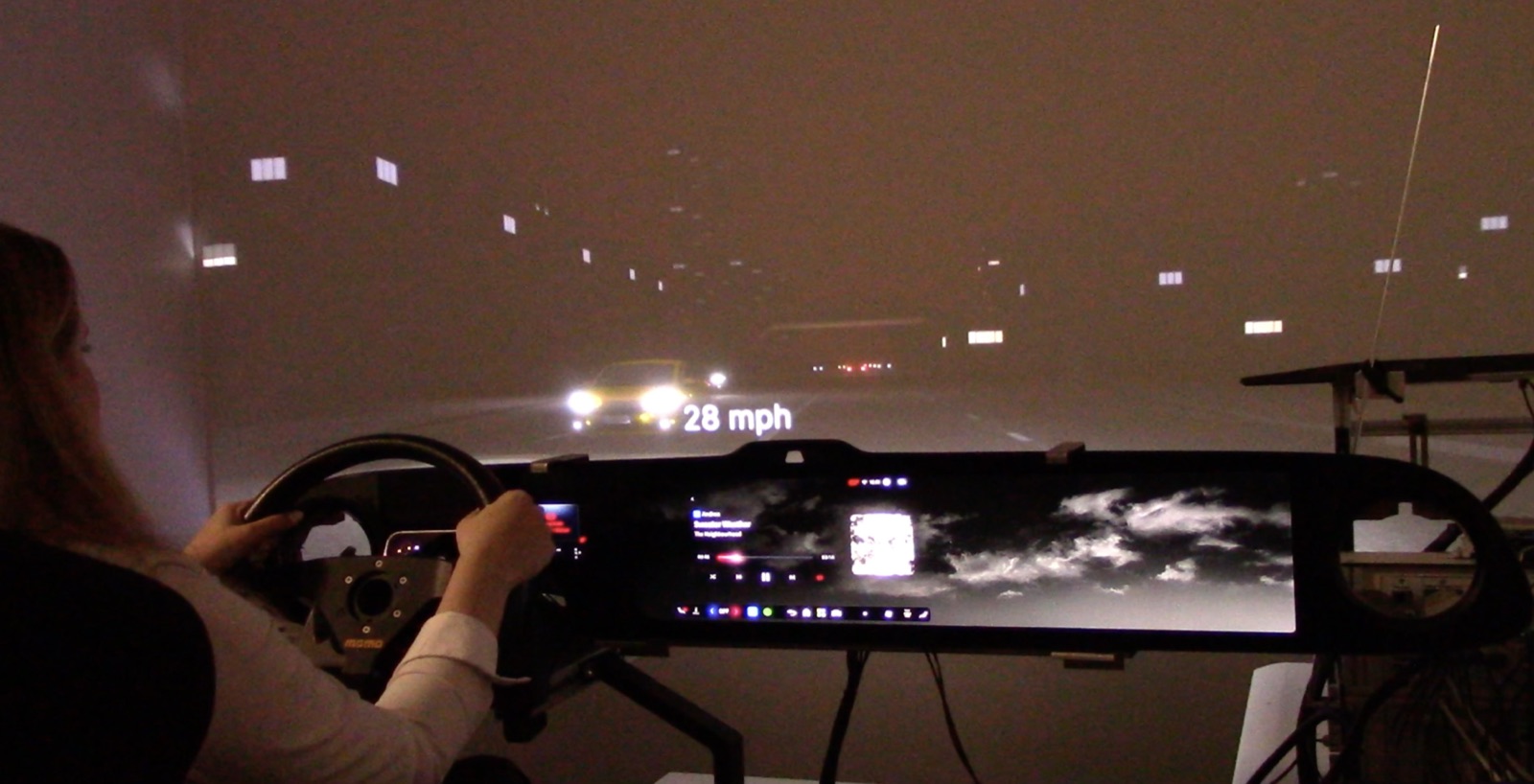
Before any of this reached a vehicle, we ran it past drivers in a cabin buck — seated at the wheel, the generated background on the centre display and a prototype on the console, rating each idea. Three ways to fill the screen went head-to-head: the stock system background, a user-chosen image, and the album-art outpaint.
At the end, most ranked the album-art theme as their favourite.
GenAI Backgrounds study · n = 10 · lower average = more preferred
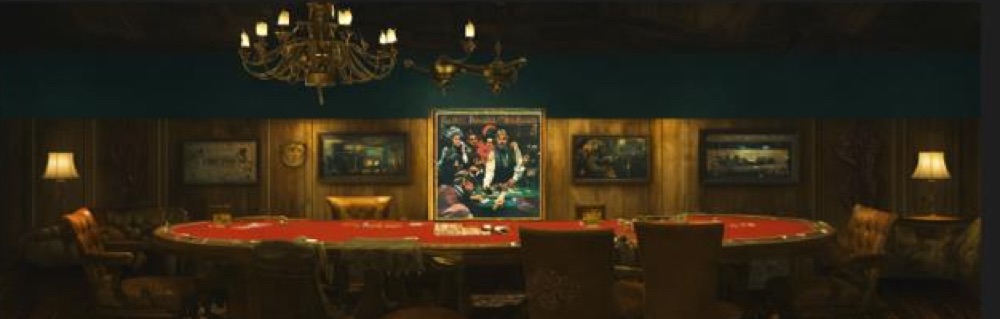
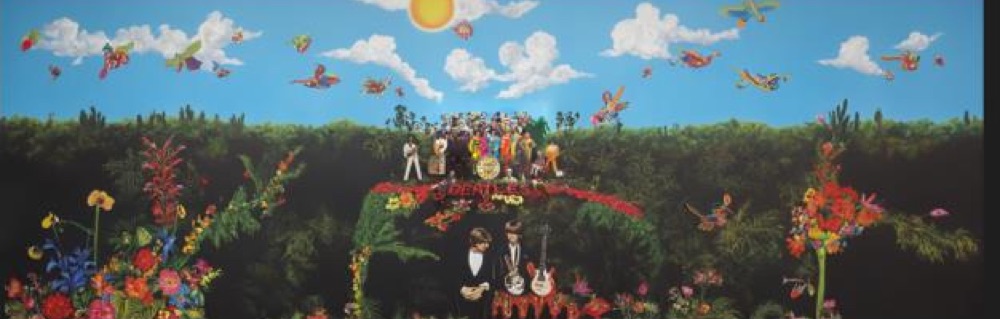
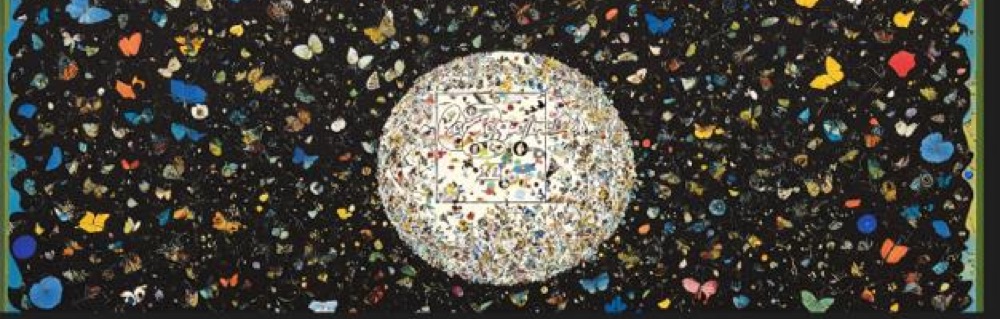
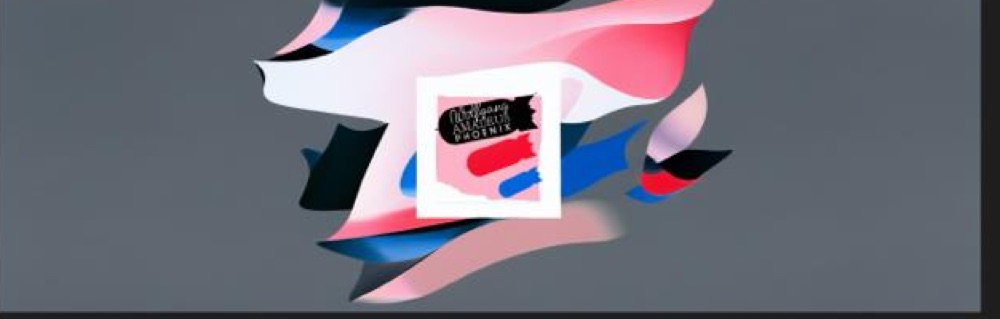
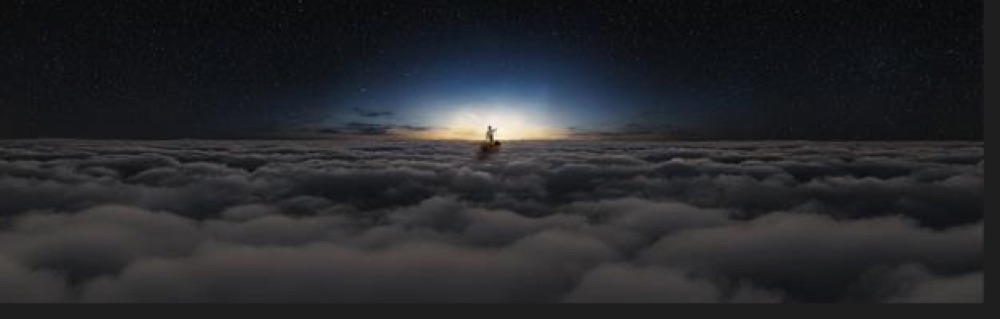
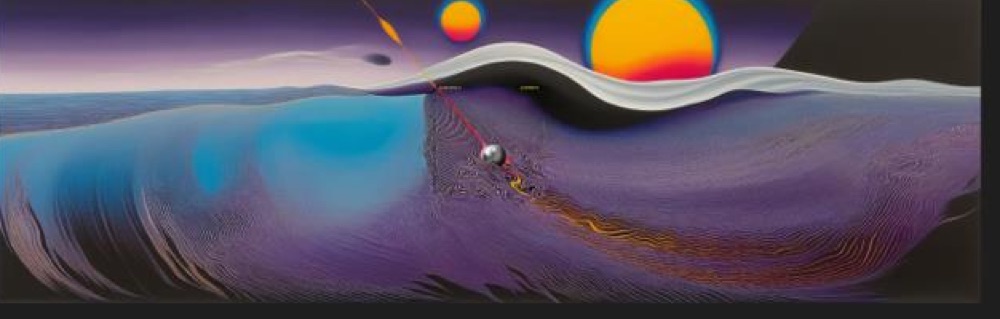
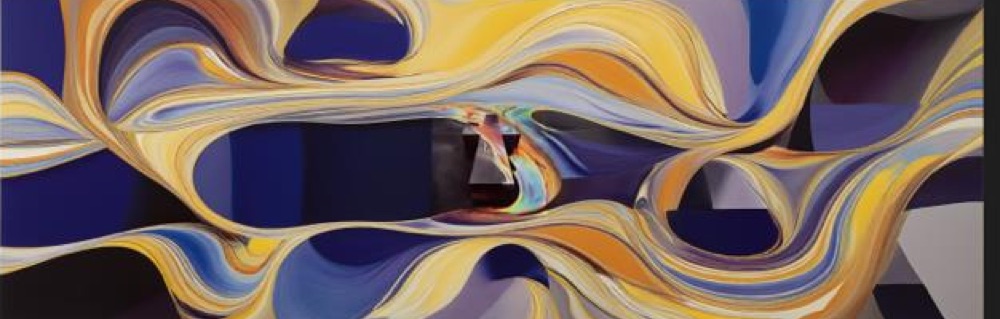
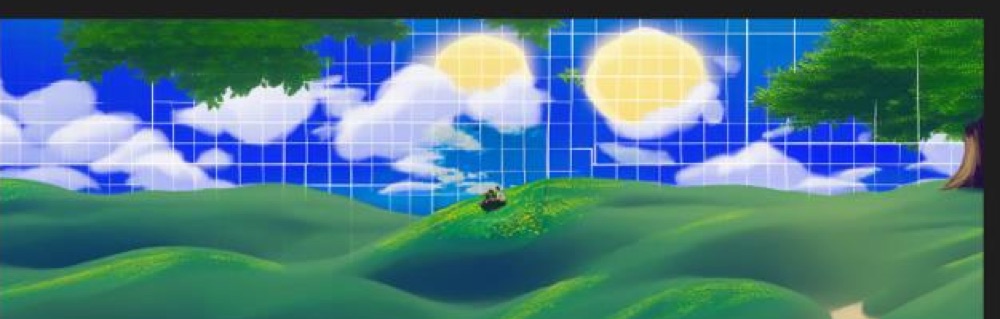
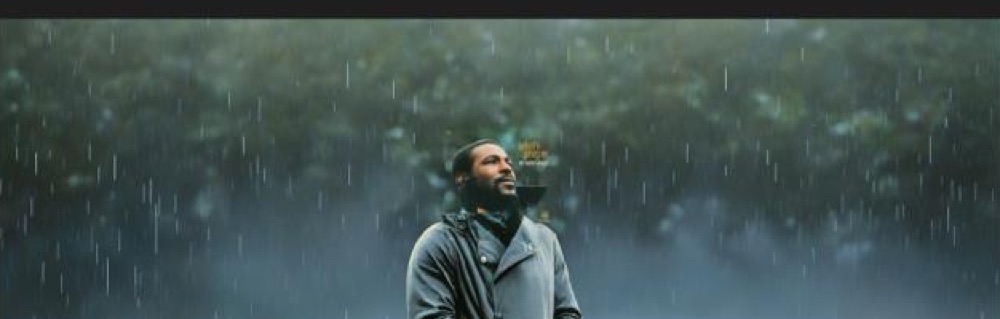
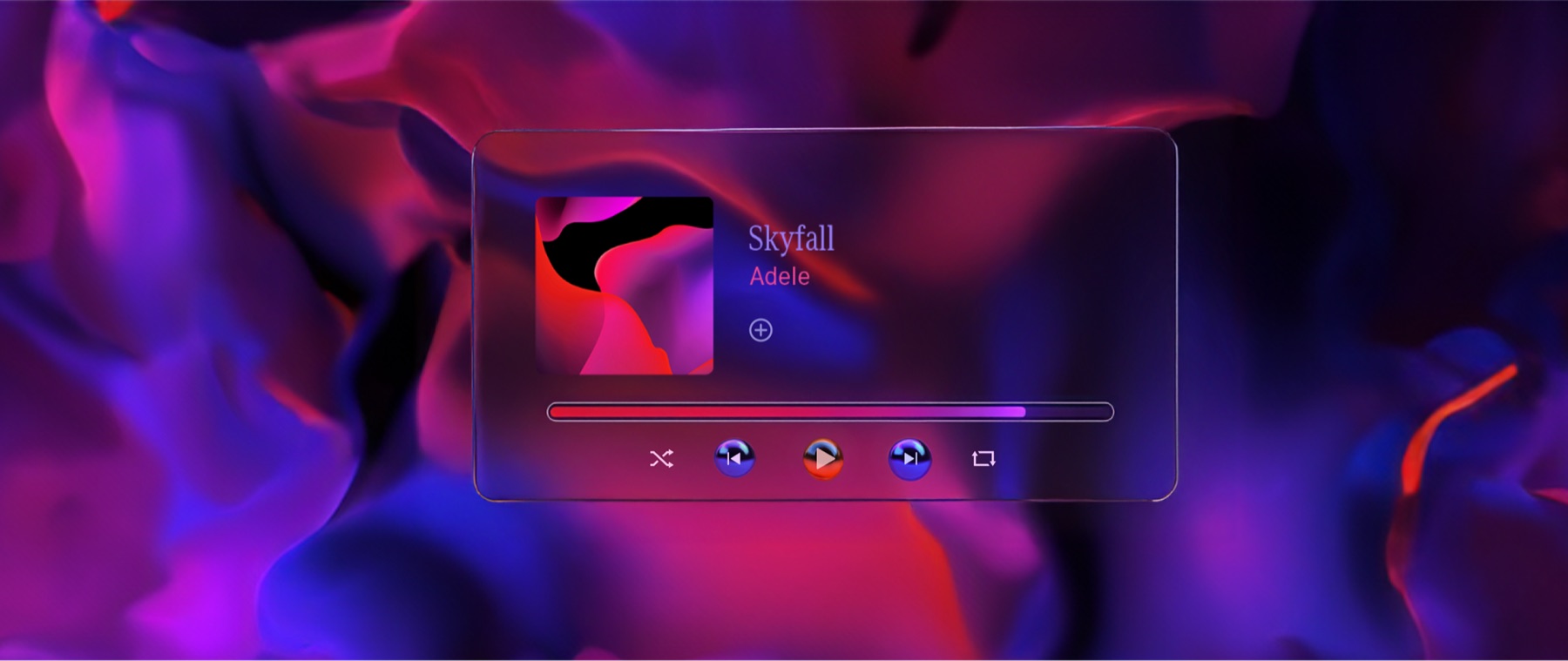
Each scene starts from one album cover at centre and is generated outward to the full pillar-to-pillar aspect. The original art is never cropped — it is extended.
Outpaint · full P2P
Outpaint · full P2P
Outpaint · full P2P
Outpaint · full P2P
Outpaint · full P2P
Outpaint · full P2P
Outpaint · full P2P
Outpaint · full P2P
Outpaint · full P2P
Outpaint · full P2P
Outpaint · full P2P
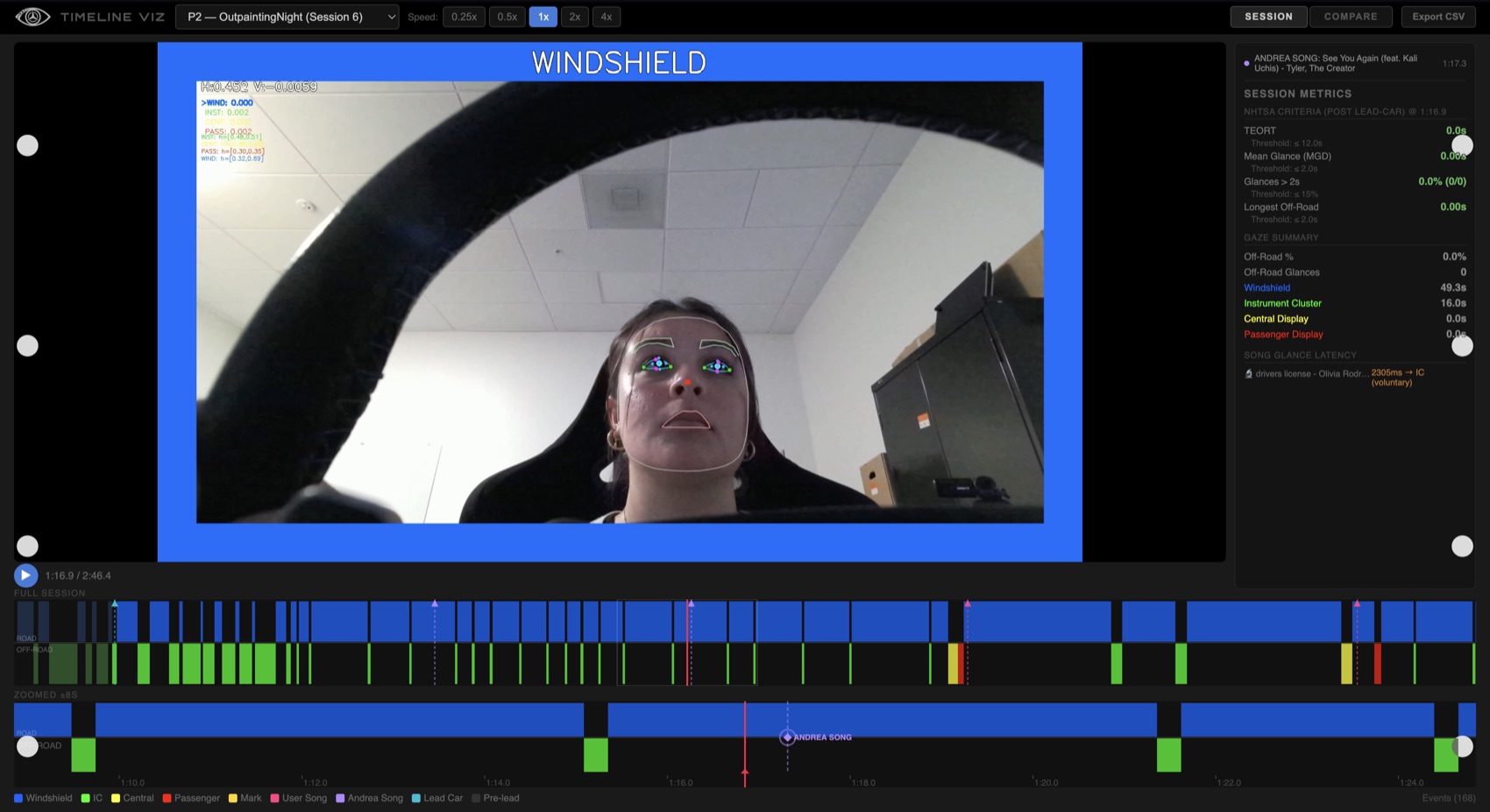
Outpaint · full P2PA generated scene that energises a parked cabin can pull a driver's eyes off the road. So complexity is a dial, not a constant — tied to vehicle state. A computer-vision pass scores each background on highlights × edge density; the same cover resolves to a quieter image while driving and a richer one while parked.
A functional prototype on the MBUX-style head unit: cached backgrounds for the charts, live generation for anything off-list, and artful cross-fades between latent stages so the image resolves into place instead of popping. Built toward production deployment on the fleet.
A feature development inside oneAI — Mercedes-Benz R&D North America's in-house AI platform — out of the Silicon Valley AI Labs (AIX). The ambition behind it: be the first automaker to productise generative pixel AI in the cabin.
Album Outpainting is a Mercedes-Benz research prototype (MBRDNA Silicon Valley AI Labs, oneAI platform, 2024–2025) that generatively outpaints a song's album cover art outward to fill the car's pillar-to-pillar displays. A cached, fleet-scale pipeline generates the backgrounds ahead of time and serves them to the cabin on demand, gated for driver distraction.
On the Mercedes-Benz Album Outpainting project, Conner Ward built the generation pipeline, the functional prototype on an Android head-unit front end, and the distraction analysis — including a cabin-buck user study (n=10) and a custom eye-tracking review tool — working alongside team members Martin Dureja, Fabian Bartelt, and Mehdi Mirabian.
In a Mercedes-Benz cabin-buck study, drivers ranked the album-art outpaint background first (average rank 1.3) over a system background and a user-chosen image. The stack used a ComfyUI diffusion graph (Stability / Google backends), an LLM to write prompts from album metadata, a content-hashed cloud cache, and an Android head unit, with a computer-vision complexity pass gating imagery by vehicle state.